Art Programs
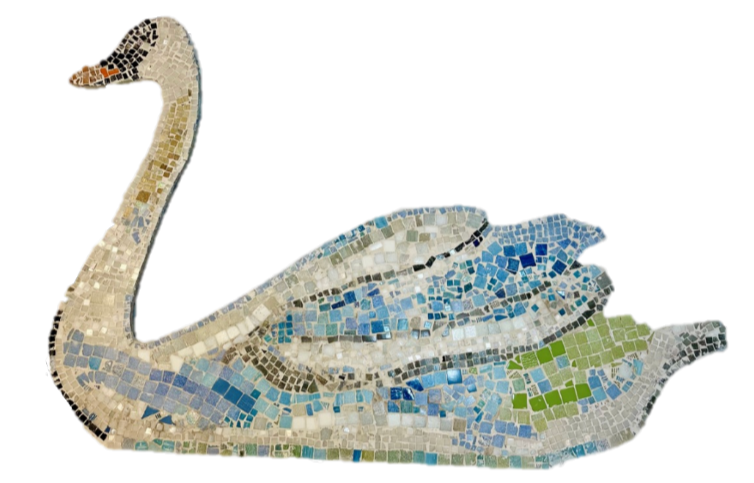
Beautiful Stuff Project, Galvin Middle School, 2026
Public programs, specifically art programs, have the unique ability to bring people together. Across generations, abilities, and backgrounds, communities come together to make art. It may be hundreds of middle schoolers working together to make mosaic animals, or it may be printmakers from across the country using a shared steamroller to make oversized prints. I’ve seen both and experienced the power of collective art making.
Space plays an important part in these programs. The physical space and atmosphere empower the artist and community to make art and connect.
Truro Center for the Arts at Castle Hill
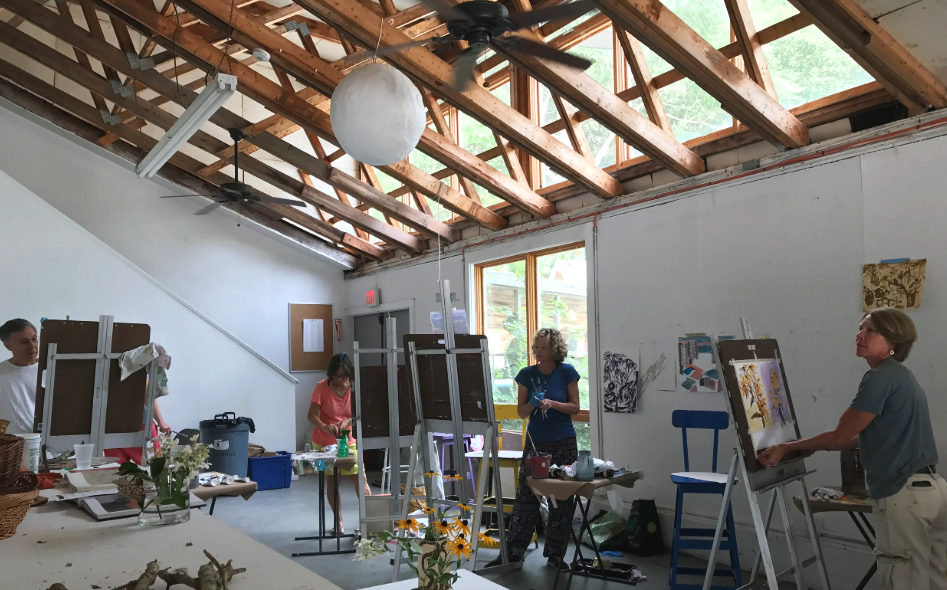
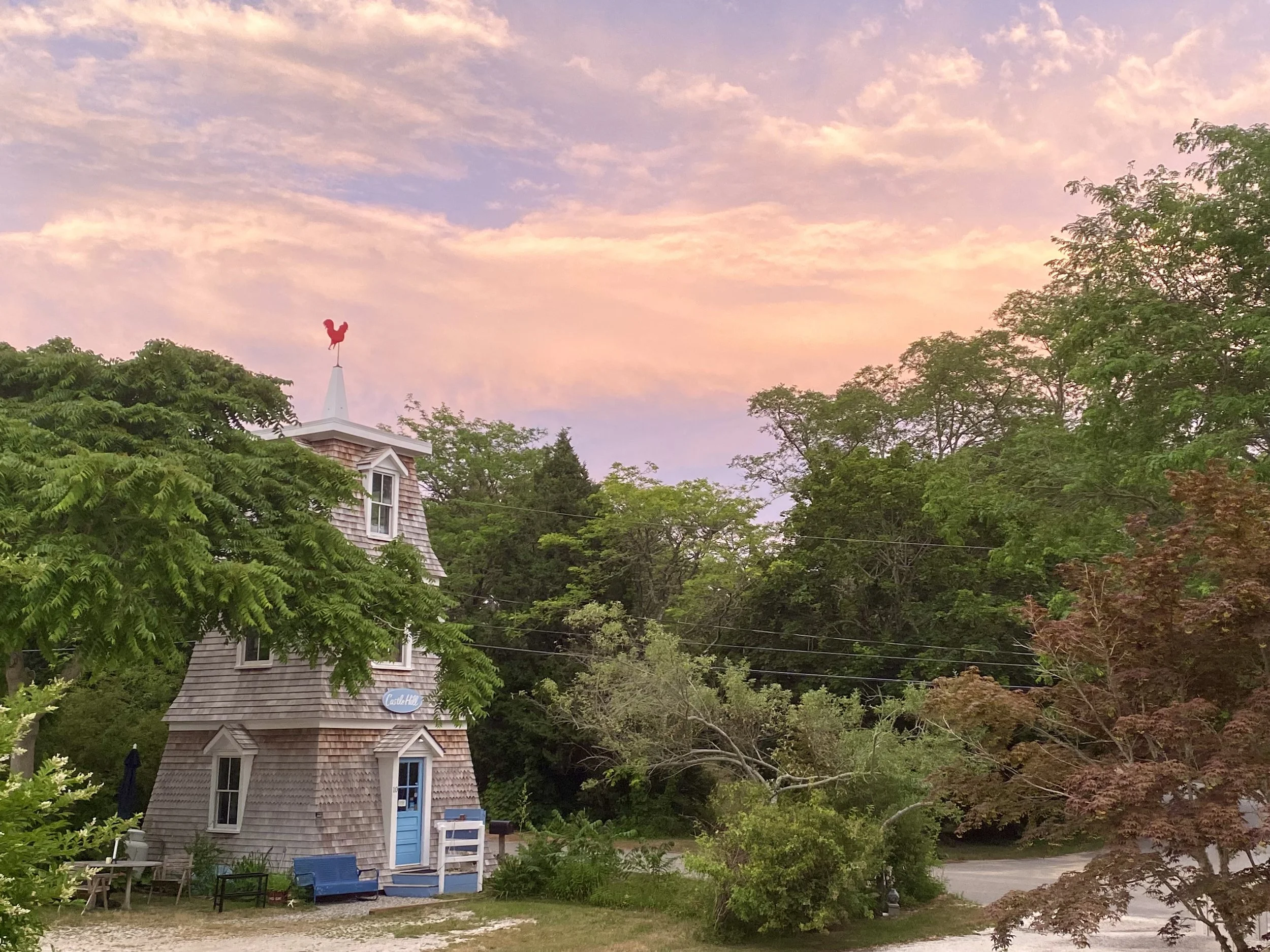
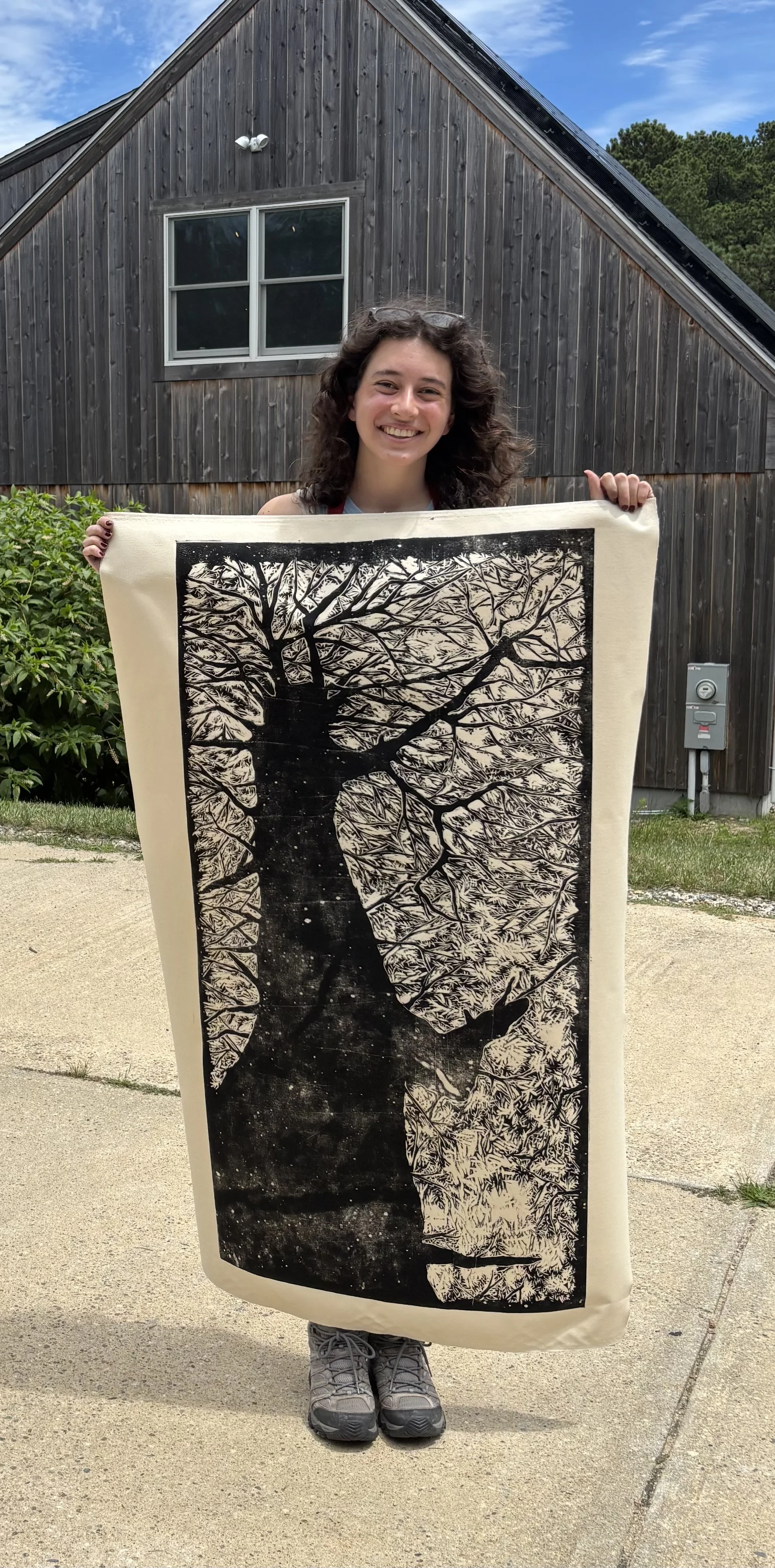
My Role: Assistant Studio Manager & Event Coordinator
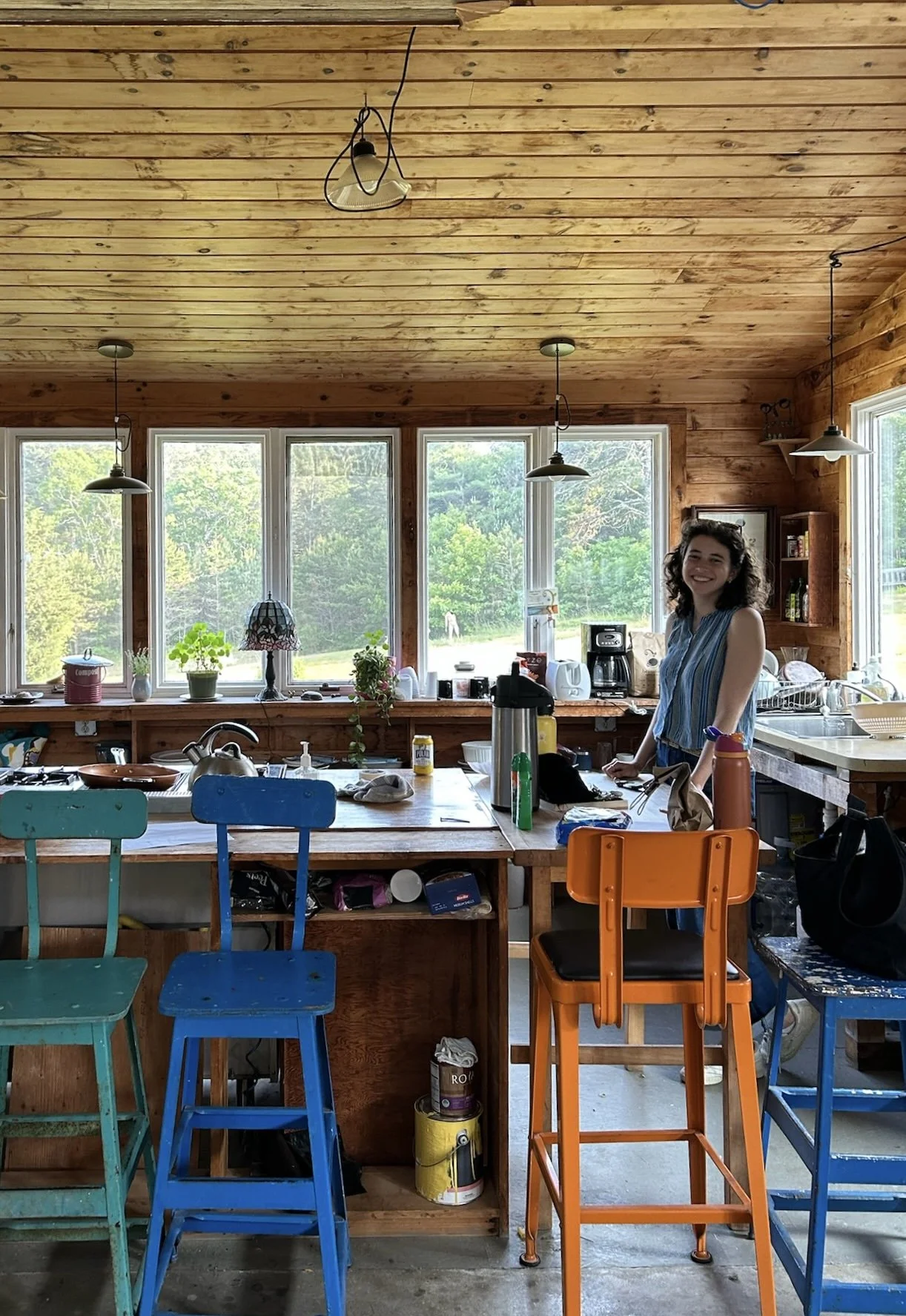
Truro was a unique experience in many ways. My role at the Center was to facilitate and assist with weekly classes and workshops in multiple mediums like painting, drawing, quilting, and printmakers. I found myself at a global crossroads for art with instructors and students coming from all over the world.
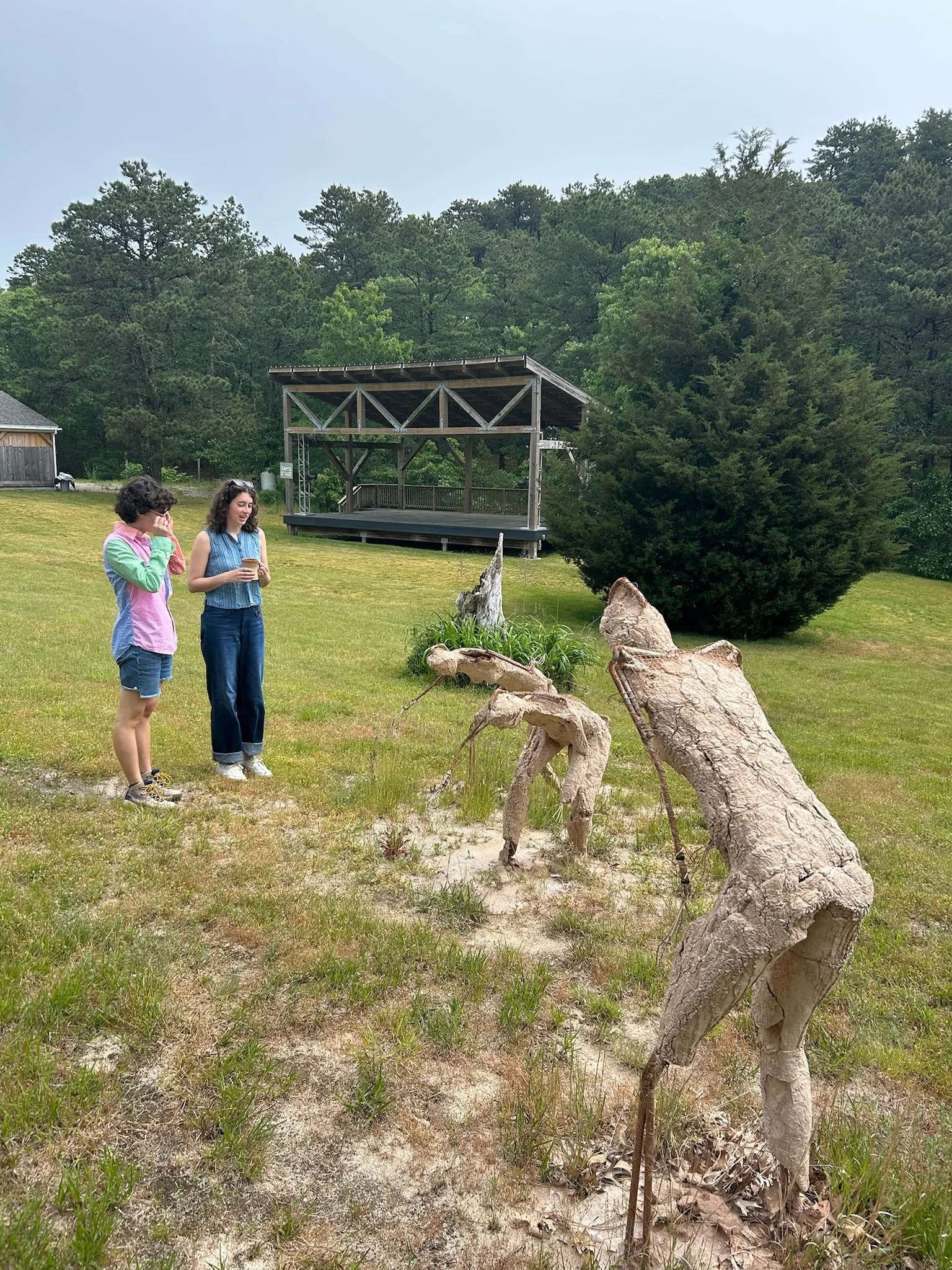
The town is isolated in a remote coastal area towards the end of Cape Cod with a rich history in art. It served as the summer home and inspiration for Edward Hopper for 40 years where he painted some of his most renowned work, and Truro was a home for other painters, and writers and sculptors through the years.
Not surprisingly, I have never been more inspired and productive in my own art than my time at Truro with the favorable lighting and legacy of the area pushing me to dream and create.
Building a Mosaic of Arts and Democracy
Research Capstone
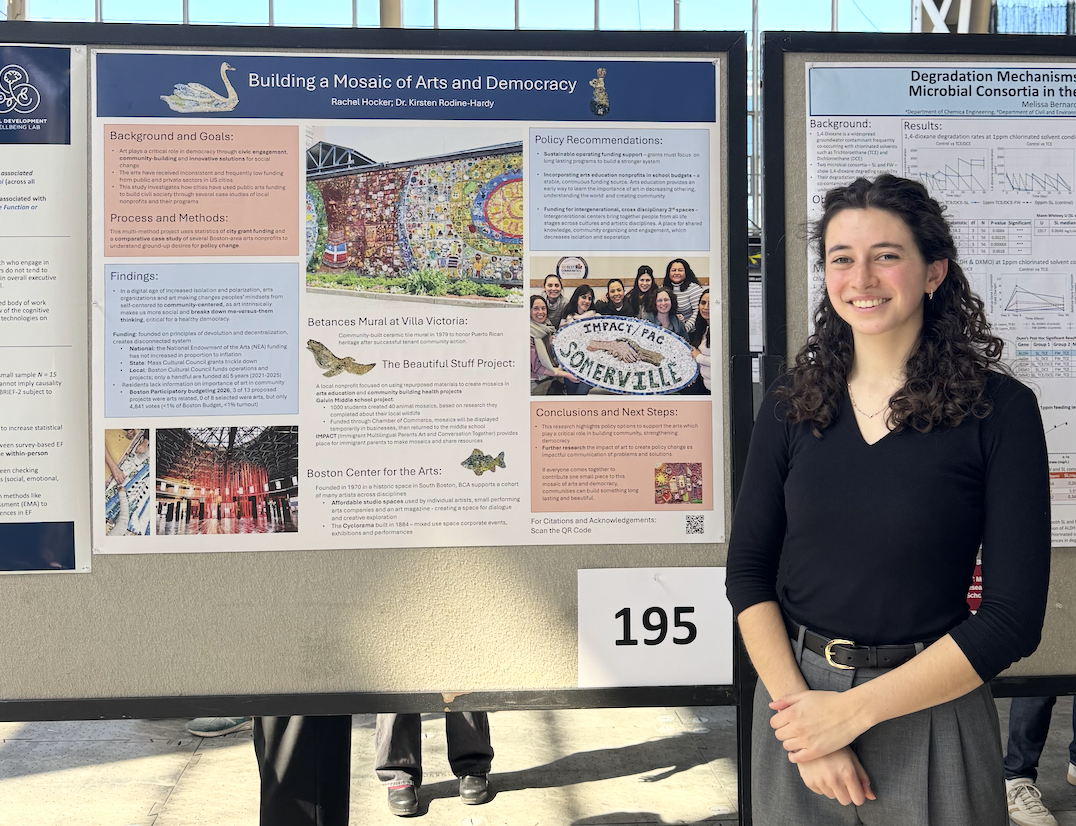
Northeastern University’s Research Expo, RISE 2026
My commitment to art has led me to study the impact of art on our humanity and to discover the connections between art, community, and civic engagement.
My capstone research project during my senior year at Northeastern University was focused on how art addresses this challenge:
How do we sustain a healthy democracy if we are increasingly isolated and do not understand the problems of our neighbors?
The arts work to strengthen democracy through social connections and community building. Arts spaces, like museums and art centers, are particularly important as they provide a place for social infrastructure. Through art, we can challenge our views, consider other perspectives and give voice to those who may not be heard.
I chose to focus on the lack of arts policy support across all levels of government over time, and highlighted several local case studies and their profound impact on the Boston community. This included interviewing the community art director of The Local Stuff Project, a local non-profit focused on increasing access to the arts through the creative reuse of materials. Many of their projects focus on creating mosaics as a part of arts education, community building and mental health projects. I then created three policy recommendations based on my research to create actionable long term change to support the arts and art programs.
“I wish that policymakers understood... that everything we do is to make our communities healthier. And to give people learning opportunities is ultimately prevention, which saves money... But for every dollar we spend on things like this, we're saving a huge amount in treatment. We're saving money on incarceration, we’re saving lives... the return on investment is tremendous.”
Emily Bhargava (Community Art Director)
Interviewed by Rachel Hocker 2026, The Beautiful Stuff Project
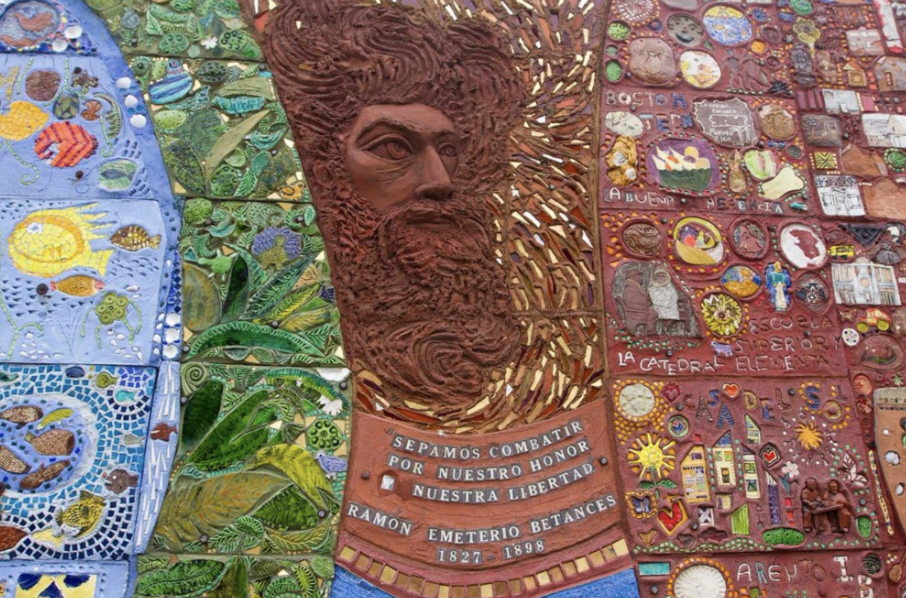
Betances Mural at Villa Victoria, Boston